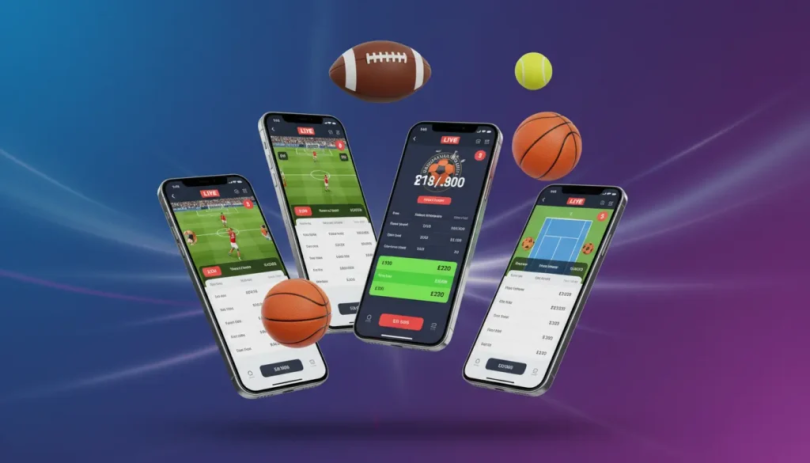

Phones often become part of every workday. People check weather, messages, markets, invoices, photos, and entertainment from one screen. That is especially true during busy outdoor seasons, when short breaks may happen in trucks, sheds, barns, or at kitchen tables. A mobile betting app can fit into that routine, but it needs careful phone habits. The same device may also hold banking apps, work contacts, family photos, and private messages. Safe use starts with account control, clean settings, and personal limits before the first session begins.
App setup should fit real daily routines
Anyone using a pm betting app should think about the phone first. A crowded device can slow screens, block updates, or delay login prompts. This matters when a user opens an app during a short break. The phone should have free storage, current software, and a working screen lock. Old downloads, duplicate photos, and unused apps can also affect performance. A quick cleanup before installation can prevent small technical problems later.
Daily routines also matter. Someone working long hours outside may have weak signal in certain areas. A metal building, machine shed, or rural road can affect internet quality. Public Wi-Fi can also behave differently from mobile data. If an app freezes, the user should check the connection before reinstalling anything. A simple test on another network often gives a better answer. Random reinstalling can create more confusion and duplicate files.
Account safety belongs before entertainment
A betting-related account should be treated as a private account. It may involve personal details, payment settings, and login history. A phone without a screen lock creates unnecessary risk. Saved passwords can also cause trouble on shared devices. The safer choice is simple: use a private device, strong login details, and two-factor authentication when available. Those steps protect the account without making regular use difficult.
Shared devices need extra care. Families sometimes pass one phone around for calls, videos, maps, or music. That habit can expose app notifications or saved sessions. Users should hide lock-screen previews and avoid saved payment details on shared phones. They should also log out after use when other people can access the device. Betting apps involve money and age-restricted activity, so casual sharing creates avoidable problems.
Notifications should not control the day
Notifications can help when they show account activity or security updates. They become a problem when every alert demands attention. A user working outside may hear a sound and check the phone at the wrong moment. Others may ignore every alert because too many messages arrive. Both patterns reduce control. It is better to separate account alerts from promotional messages in phone settings.
Before regular use, check these settings:
- Turn on a screen lock.
- Hide sensitive lock-screen previews.
- Review notification categories.
- Check free storage before updates.
- Avoid saved cards on shared devices.
- Set account limits early.
Short breaks can lead to rushed taps
Mobile apps are built for quick access. That can be useful, but it can also reduce thinking time. A break between tasks should not turn into rushed account decisions. Users should avoid sessions when tired, angry, distracted, or chasing losses. Personal limits help create a pause before money moves. The app can also be kept away from the home screen. That small change adds distance without blocking normal phone use.
Rural connections can change app performance
Many mobile issues start with the network. A phone may show signal bars while data still moves slowly. Rural areas can have uneven coverage between fields, roads, homes, and town centers. Battery saver mode can also delay background activity. A VPN may affect login or payment pages. These problems can look like app failure, but the cause may sit in the phone settings.
Troubleshooting should follow a calm order. Restart the phone first. Check storage next. Test mobile data and Wi-Fi separately. Review battery limits and app permissions. Clear cache if screens act strangely after an update. Full data clearing should happen carefully because it can remove saved settings. Reinstalling should come last. One current version on a clean device is easier to manage.
Payments need extra attention
Any app connected to money deserves careful payment habits. Users should keep betting money separate from rent, food, fuel, tools, seed, feed, or family expenses. Entertainment funds should be fixed before opening the app. If that amount is gone, the session should end. Chasing losses creates pressure and weak decisions. Clear limits make mobile entertainment easier to keep in its place.
Payment privacy matters too. Users should avoid account actions on public Wi-Fi. They should check bank alerts after payment changes. Saved cards should be removed from shared phones. Screenshots with account details should not stay in public photo albums. These habits also help with banking, shopping, and delivery apps. One safer phone routine protects several parts of daily life.
Better phone habits make entertainment easier to manage
A mobile betting app should never take control of the device. The user should decide when alerts appear, where login details stay saved, and how much money belongs to entertainment. A clean phone setup makes that easier. Storage, internet, permissions, notifications, and screen locks all shape the experience. When those basics are handled early, technical problems are easier to understand.