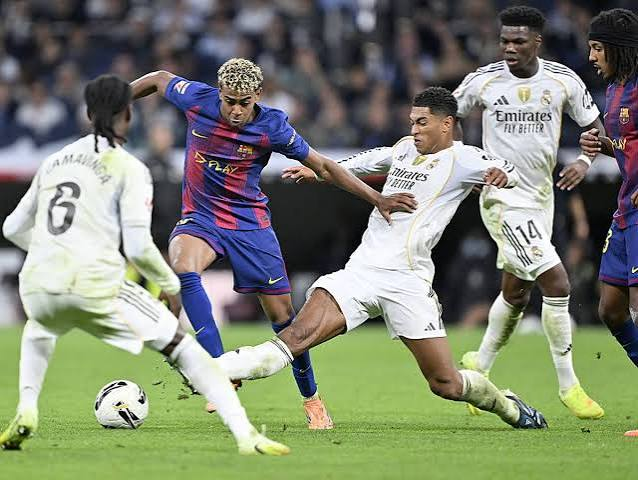

La Liga 2017/18 did not happen in isolation: top Spanish clubs also played Copa del Rey and European games, stacking extra fixtures into an already tight calendar. For bettors, these midweek commitments mattered because they changed fatigue, rotation and motivation levels in league matches, creating spots where the underlying probability of a result diverged from what the league table alone suggested.
Why fixture congestion from cups can change league outcomes
Sports science work on fixture congestion indicates that playing two or more competitive matches in a week tends to reduce physical output, especially total distance and high‑intensity running, while also increasing perceived fatigue and muscle soreness. The cause is straightforward: less than 72 hours between matches does not allow full neuromuscular recovery, so players subconsciously or deliberately pace themselves. Technical metrics like pass accuracy often remain stable, but physical and sometimes tactical performance adapt downward to cope.
In La Liga 2017/18, this meant that teams with deep runs in the Copa del Rey or European competitions carried more cumulative fatigue into certain league fixtures, especially those played immediately after high-intensity cup ties. The outcome for bettors was that some “routine” league games—top sides away at mid-table opponents—quietly became more hazardous spots for favourites than table position implied. The impact was not a guaranteed upset, but a shift in the distribution of likely scorelines that made price-sensitive bets on underdogs, handicaps or goal lines more attractive in specific calendar windows.
How La Liga’s 2017/18 calendar exposed cup–league interactions
The 2017/18 La Liga season ran from August 2017 to May 2018, with Copa del Rey rounds and European fixtures interwoven through winter and spring. The cup’s structure—early rounds for smaller clubs, then two-leg ties from the last‑32 onward—meant that top-flight teams still alive in the competition faced midweek matches layered on top of weekend league games. The cause of pressure spikes was the clustering of key cup rounds around periods when league points also mattered for title races, European qualification and relegation battles.
This congestion did not affect all teams equally. Clubs knocked out early from the Copa del Rey or absent from Europe had relatively clear weeks, giving them more preparation and recovery time before league fixtures. The outcome was an asymmetry: in some matchdays, one side entered the game off a free week, while the other had just played a knockout tie where rotation was limited or emotional stakes were high. The impact for bettors was that “fresh” mid-table or relegation-threatened teams could be more competitive against tired giants than their overall seasons suggested, especially in late winter.
What sports science says about congestion and performance
Reviews of fixture congestion in professional football underline that while technical performance is often maintained, physical outputs adjust: total and low‑intensity running distances decline, pacing strategies emerge, and high-intensity actions are preserved at the cost of overall volume. The cause is a deliberate or subconscious attempt to protect key sprints, presses and accelerations despite fatigue. Over longer congested periods, injury risk rises and recovery markers worsen, pointing to cumulative rather than only acute effects.
For bettors, this research implies that congested teams may still be capable of decisive moments but are less able to sustain pressure over 90 minutes, making them more vulnerable to lapses, late goals, or tactical compromises. The outcome is that game scripts in post‑cup league fixtures can skew toward slower tempos, cautious game plans, or patched lineups—factors that support alternative betting angles like unders, both‑teams‑to‑score decisions or backing underdogs with head starts. The impact is that knowing when a side has just come through a heavy period is at least as important as knowing their league rank.
Mechanism: how congestion interacts with tactics and rotation
The mechanism by which cup congestion moves from theory to the pitch runs through squad depth and coaching choices. Tactical-performance reviews suggest that match location, team ranking and match status all shape how sides press, attack and defend, with higher-ranked teams more willing to push intensity in favourable contexts. When congestion hits, coaches often alter that balance, rotating players, dropping pressing lines, or reducing fullback aggression to manage energy and injury risk.
In La Liga 2017/18, this translated into specific patterns: strong clubs juggling Copa del Rey and continental fixtures sometimes fielded mixed lineups in the league against lower-ranked opposition, or played with reduced intensity for stretches, trusting quality to decide matches without full-throttle effort every minute. The outcome was a subtle increase in variance—more room for mid-table or relegation-threatened sides to stay in games and exploit late opportunities. The impact for bettors was that relying solely on season-long stats without regard to weekly load missed an important situational edge.
A table of cup–league effects that matter to bettors
To give these ideas a usable shape, it helps to map specific congestion-related factors onto practical betting implications, based on sports science and scheduling evidence.
| Cup-related factor | Likely on-pitch effect | Cause | Betting implications |
| Midweek knockout tie before league game | Slightly reduced physical output and heavier legs | <72 hours recovery, cumulative fatigue | Favourites less dominant; value may lie with underdogs +handicap or unders |
| Deep cup run (many added matches) | Higher injury risk and more rotation in league | Accumulated workloads across weeks | Lineups more variable; avoid assuming “best XI” every weekend |
| Emotional high or low from cup result | Short-term psychological swing | Big wins or painful exits affect focus | Beware overrating teams after big cup wins; watch for flat performances |
| Early cup exit | Fewer matches, more training and rest | Clear weeks between league games | Mid-table teams may finish strong; league form can improve relative to early season |
Interpreting this table for the 2017/18 context shows why some league fixtures around the Copa del Rey knockouts carried more upset potential or total-goal uncertainty than the raw standings suggested. The outcome is that the calendar itself becomes a form guide: clusters of matches in multiple competitions increase the chance that league odds slightly misrepresent the true difficulty of certain away trips or post‑cup fixtures. The impact for bettors is that layering congestion awareness onto standard form analysis can reveal spots where “obvious” favourites are priced a shade too short.
How bettors could have used this information on matchday
For someone preparing to bet on La Liga 2017/18, integrating cup effects into pre‑match analysis meant going beyond table rank and recent league form. It meant checking whether a side had just played a midweek Copa del Rey tie—especially away or in extra time—and scanning for indications of rotation, tactical compromise, or travel load. The cause of value opportunities in these spots was the lag between how quickly the schedule changed conditions and how slowly many casual bettors updated their assumptions.
In practical terms, that might mean shading probability estimates downward for title contenders on the weekend after a heavy cup tie, or, conversely, seeing extra promise in a rested mid-table team whose recent form looked average but was about to face a tired opponent. The outcome was not an automatic bet against big names, but a more critical view of odds that assumed full-strength, fully rested performances every league week. The impact is that over a full season, consistently accounting for cup load adds a small but persistent edge compared with relying on standings alone.
From there, some bettors would compare their congestion-adjusted view to the lines offered inside their chosen online betting site. When that check involved ufabet เข้าสู่ระบบ, the analytical question became: do prices on league matches following intense cup weeks fully reflect the added uncertainty and potential drop in dominance, or do they still treat top clubs as if every fixture were played with equal rest and focus? Identifying even slight discrepancies between this situational assessment and posted odds helped refine decisions about whether to back favourites, look for handicapped underdogs, or pivot toward goal markets.
Where the cup–league impact narrative can be overstated
Not all research supports a dramatic negative effect of cup runs on league form. An analysis of FA Cup runs in England, for example, found only a very small average reduction in league points per match during deep cup campaigns—so small that it could not be confidently distinguished from noise. The cause is that professional squads adapt: rotation, tactical changes and efficient pacing strategies can limit the impact of extra games, especially in well-resourced clubs with strong benches.
For La Liga 2017/18, this suggests caution in assuming that any team alive in multiple competitions should automatically suffer in the league. The outcome of over-believing the congestion story is a bias toward opposing strong teams whenever they have midweek commitments, even when data shows they continue to manage rotation and maintain results. The impact is that the “cup hangover” narrative can become an overused explanation that distracts from more direct causes of poor performance, such as tactical misfits or injuries unrelated to congestion.
How cup effects interact with team quality and depth
Cup impact is strongly moderated by squad profile. Reviews of fixture congestion highlight that while physical metrics change under heavy loads, the ability to protect high-intensity actions—and thus key match moments—depends on player quality and rotation options. The cause is that top sides can rest key players against weaker cup opponents, while smaller clubs often need their best eleven to compete, absorbing more fatigue risk.
In La Liga 2017/18, this meant that congestion might have eroded league performance more in mid-table or smaller squads making unexpected deep cup runs than in established giants accustomed to multi-front campaigns. The outcome is that from a betting angle, cup effects mattered most where depth was thin and rotation limited: those teams were likelier to see league form dip after emotionally and physically taxing cup ties. The impact is that simple “cup involvement = fade” rules miss the nuance; cup involvement plus limited depth and high reliance on a small core is the more precise red flag.
Summary
For people betting on La Liga 2017/18, the real lesson of cup competitions was not that they automatically wrecked league form, but that they changed context: recovery time shortened, fatigue and injury risk rose, and coaches adjusted rotation and tactics in ways that subtly altered match probabilities. Sports science shows that congested schedules reduce some physical outputs even when technical performance holds, and league-plus-cup calendars create asymmetric situations where one side is fresh and the other has just played a knockout tie. Used carefully—especially in conjunction with team depth and rotation awareness—this knowledge turns the Copa del Rey and other competitions from background noise into a structured part of pre‑match analysis rather than a vague post‑hoc excuse when favourites slip.