Traditions are the heartbeat of human society. They are more than just rituals, customs, or practices—they are living stories passed down through generations that shape who we are and how we connect with others. From family meals to national festivals, traditions provide continuity, identity, and meaning in a world that is constantly changing.
Understanding why traditions are important helps us see that they are not simply relics of the past, but essential threads weaving together history, culture, and future generations. They remind us of our roots, strengthen our relationships, and give depth to the human experience.
1. Preserving Cultural Identity
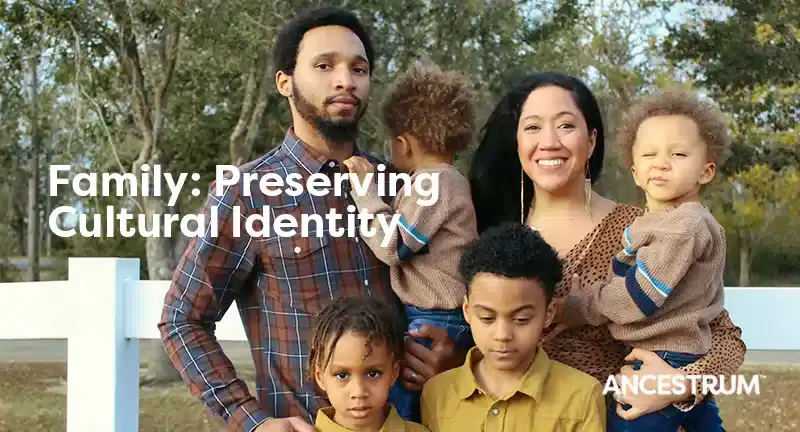
One of the most powerful roles of traditions is their ability to preserve cultural identity. They act as anchors, reminding communities of their heritage, language, and values in the face of globalization and modernization.
For example:
- Diwali in India is not just about lighting lamps—it represents the triumph of light over darkness and good over evil, reinforcing cultural values.
- Chinese New Year connects families worldwide to ancient customs, ensuring younger generations stay tied to their roots.
- Thanksgiving in the U.S. preserves the spirit of gratitude and historical reflection.
Without traditions, societies risk losing their uniqueness, becoming disconnected from the stories, music, foods, and values that make them distinct.
2. Strengthening Family and Community Bonds
Traditions are glue that hold families and communities together. Shared practices create a sense of belonging, offering people the comfort of knowing they are part of something larger.
- Family traditions, such as weekly dinners, holiday rituals, or storytelling, reinforce unity within households.
- Community traditions, like local fairs, cultural parades, or religious gatherings, provide opportunities for social interaction, cooperation, and solidarity.
These collective experiences nurture emotional well-being, reduce isolation, and foster trust among people.
You may also like to read this:
What Is Cultural Lifestyle? Meaning And Importance
How To Adapt Modern Culture: 10 Practical Steps
Types of Lifestyle Choices: Complete Guide For Better Living
10 Best Cultural Activities To Try For Travelers Worldwide
3. Providing a Sense of Stability and Continuity
In times of rapid change, uncertainty, or hardship, traditions provide reassurance. They create a rhythm in life, reminding people that despite challenges, some things remain constant.
- Children who grow up celebrating annual traditions often feel more secure, knowing they belong to a family or community that values consistency.
- Adults find comfort in returning to familiar customs, especially during stressful or transitional periods.
This stability grounds people, giving them a sense of identity and resilience to navigate modern challenges.
4. Teaching Values and Life Lessons
Traditions are also silent teachers, transmitting moral lessons, values, and ethics across generations. They are not just symbolic—they guide behavior and decision-making.
- Religious traditions often emphasize compassion, forgiveness, and service to others.
- Cultural traditions like gift-giving or communal meals encourage generosity and gratitude.
- Family traditions such as volunteering together or honoring elders instill respect and responsibility.
Through these practices, individuals learn how to live meaningfully, respect others, and maintain a balanced sense of morality.
5. Celebrating Milestones and Achievements

Life is a journey marked by important milestones—births, weddings, anniversaries, graduations, and even farewells. Traditions provide structured, meaningful ways to celebrate these transitions.
- Blowing out candles on a birthday cake brings excitement and joy.
- Exchanging vows at weddings symbolizes love and commitment.
- Throwing graduation caps marks achievement and the start of a new chapter.
Without traditions, these milestones would feel incomplete or lack emotional depth. Customs transform personal achievements into communal celebrations.
6. Fostering Unity in Diversity
In a globalized world, traditions also play a role in fostering inclusivity and respect for diversity. By sharing and learning about different traditions, people build cultural understanding and break down barriers.
For instance:
- In multicultural societies like Canada or Singapore, people celebrate a variety of festivals—from Christmas to Eid to Lunar New Year—promoting mutual respect.
- Participating in another culture’s traditions, even as a guest, creates empathy and connection across differences.
Traditions remind us that while we may differ in language or lifestyle, we share common human values of love, respect, and belonging.
7. Passing Wisdom to Future Generations
Every tradition carries wisdom—stories, skills, and lessons gathered over centuries. They serve as a bridge between generations, keeping knowledge alive.
- Grandparents telling folktales not only entertain but also pass moral lessons.
- Cooking traditional recipes teaches both culinary skills and cultural symbolism.
- Rituals surrounding planting, harvest, or craftsmanship ensure survival skills are preserved.
By honoring traditions, we ensure that children and future generations don’t lose touch with their heritage or the lessons of those who came before them.
8. Adding Joy and Meaning to Life
Traditions also enrich life with joy, color, and meaning. They transform ordinary days into extraordinary moments. Festivals, ceremonies, and community events provide opportunities for laughter, reflection, and togetherness.
Imagine the vibrant colors of Holi in India, the peaceful atmosphere of Christmas caroling, or the lively parades of Carnival in Brazil—these traditions don’t just entertain, they uplift spirits and give life a sense of rhythm and celebration.
Practical Ways to Keep Traditions Alive
- Celebrate regularly: Mark family or cultural events consistently to reinforce their importance.
- Involve younger generations: Teach children the meaning behind customs so they understand their value.
- Adapt traditions creatively: Modernize them if necessary while keeping the essence intact.
- Document stories and rituals: Write down recipes, folktales, or practices to preserve them for future generations.
- Share traditions with others: Invite friends, neighbors, or colleagues to experience your culture, fostering inclusivity.
The Role of Traditions in Modern Society
In today’s fast-paced, technology-driven world, traditions play a unique role. They balance innovation with continuity, offering people a way to stay grounded while embracing change. For example, while families may now connect through video calls during holidays, the spirit of togetherness—the core of the tradition—remains intact.
Modern traditions also emerge alongside old ones. Celebrating Earth Day or observing World Mental Health Day are examples of new practices that have grown into traditions, reflecting evolving global values. This shows that traditions are not about resisting change but about finding meaningful ways to express identity in changing times.
Challenges to Preserving Traditions
While traditions are vital, they face challenges in the modern world:
- Globalization: Exposure to global culture can sometimes overshadow local traditions, leading to cultural homogenization.
- Urbanization: As people migrate from villages to cities, community-based rituals may decline.
- Generational gaps: Younger generations may find certain traditions outdated or irrelevant if not explained with meaning.
- Technology influence: While technology helps preserve traditions, it can also shift focus away from in-person practices.
The key lies in striking a balance—modernizing traditions where necessary while keeping their essence alive.
The Future of Traditions
Traditions will continue to evolve, but their importance will never fade. In the future, we can expect:
- Hybrid traditions: Combining physical gatherings with digital participation, especially for global families.
- Eco-conscious practices: Sustainable ways of celebrating festivals, such as using biodegradable materials or reducing waste.
- Inclusive celebrations: More cross-cultural exchanges, where people of different backgrounds participate in each other’s traditions.
- Personalized traditions: Families and individuals creating new rituals unique to their values, such as “gratitude days” or “family storytelling nights.”
These transformations show that traditions are not about the past alone—they are about building meaningful practices for the future.
Closing Thoughts
Traditions are timeless treasures that connect us to our past, shape our present, and guide our future. They remind us of where we come from, help us navigate where we are, and give us direction for where we’re going.
Understanding why traditions are important highlights their role as more than mere customs—they are expressions of love, belonging, continuity, and wisdom. By preserving, adapting, and sharing them, we ensure that future generations inherit not only practices but also the values and stories that make life meaningful.
Traditions may look different tomorrow than they do today, but their essence—the power to connect and inspire—will always remain.
FAQs
1. Why are family traditions important?
Family traditions strengthen bonds, create lasting memories, and give children a sense of identity and belonging. They provide a framework for connection and continuity across generations.
2. What happens if traditions are lost?
When traditions fade away, communities risk losing their cultural identity and sense of unity. The absence of traditions can lead to cultural homogenization, where unique practices, languages, and values disappear over time.
3. Can traditions change over time?
Yes, traditions are not static. While they preserve heritage, they can adapt to suit modern lifestyles. For instance, digital celebrations and virtual family gatherings have become new traditions in the modern era.
4. Are traditions the same as culture?
Not exactly. Culture is the broader way of life of a community, including language, art, and beliefs. Traditions are specific practices or rituals within that culture that keep its essence alive.
5. Why are traditions celebrated differently across the world?
Traditions reflect the history, geography, religion, and values of a community. This is why they differ from one culture to another, making the world more diverse and colorful.