Have you ever wondered what is cultural lifestyle and why it matters so much in shaping societies around the world? Cultural lifestyle refers to the unique way of life developed by a community based on its traditions, beliefs, values, and practices. It influences daily habits, from how people eat, dress, and communicate to how they celebrate, work, and interact with others.
In today’s interconnected world, understanding what is cultural lifestyle is more important than ever. It helps us appreciate cultural diversity, respect traditions, and adapt to global changes while staying connected to our heritage.
What is Cultural Lifestyle: The Definition
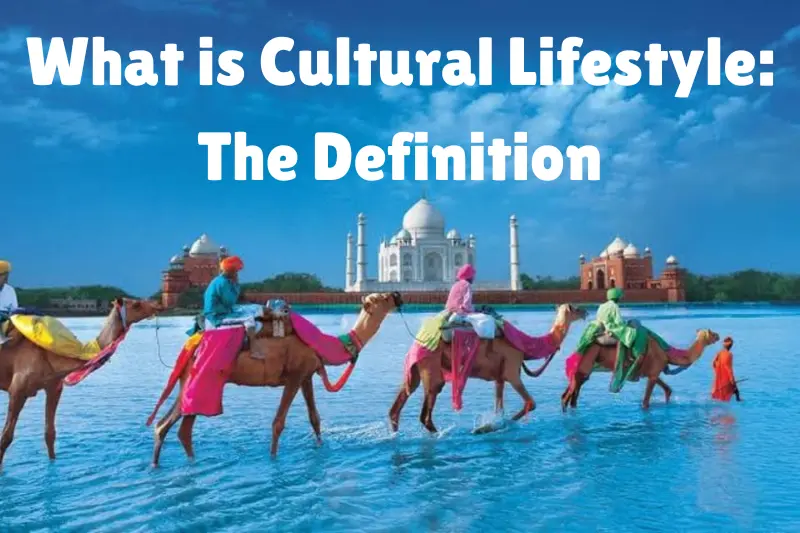
At its core, cultural lifestyle can be defined as the overall pattern of living influenced by a society’s cultural framework. It is passed down from generation to generation, shaping identity and continuity within a community.
This lifestyle encompasses:
- Language – the medium of communication and cultural preservation.
- Food – the cuisine that represents geography and tradition.
- Clothing – the dress that symbolizes identity and belonging.
- Rituals and Festivals – cultural practices marking life events and community unity.
- Art and Music – creative expressions of heritage.
- Family and Social Norms – rules that shape relationships and society.
- Work and Leisure – values that define productivity and relaxation.
For example:
- In Japan, cultural lifestyle emphasizes respect, discipline, order, and harmony.
- In Italy, cultural lifestyle highlights family bonds, artistic expression, and rich cuisine.
These examples show that the meaning of what is cultural lifestyle varies but always remains central to community identity.
Key Elements of Cultural Lifestyle
1. Language and Communication
Language is perhaps the most essential part of answering what is cultural lifestyle. It is not only a tool for communication but also a vessel for tradition and history. Greetings, body language, and even tone differ across cultures, reflecting deeper values and worldviews.
2. Food and Cuisine
Food is at the heart of cultural lifestyle. For example:
- Indian cultural lifestyle integrates spices, rituals, and community dining.
- Mediterranean lifestyles prioritize olive oil, seafood, and shared meals.
Cuisine demonstrates how geography, climate, and belief systems shape everyday life.
3. Clothing and Fashion
Clothing reflects tradition, modesty, and cultural pride. From Japan’s kimono and India’s sari to Scotland’s kilt, dress expresses heritage. Today, globalization blends traditional attire with modern fashion, showing how cultural lifestyle adapts to changing times.
4. Traditions and Rituals
Life events—births, weddings, and funerals—are marked with rituals that answer what is cultural lifestyle in practice. Festivals like Diwali, Eid, Christmas, and Lunar New Year unite communities, pass down values, and strengthen social ties.
5. Religion and Spiritual Beliefs
Religion plays a huge role in defining cultural lifestyle. It influences moral codes, worship practices, and holidays. Whether it’s daily prayers in Islam, temple rituals in Hinduism, or church gatherings in Christianity, spirituality deeply shapes how people live.
6. Art, Music, and Literature
Cultural expressions such as folk dances, music, storytelling, and literature keep traditions alive. These art forms reflect history, emotions, and values, helping us better understand what is cultural lifestyle.
7. Family and Social Structures
Family dynamics are another vital component of cultural lifestyle.
- In many Asian cultures, extended families live together and emphasize respect for elders.
- In Western societies, nuclear families and individual independence are often prioritized.
This balance between tradition and modernity defines how societies function.
8. Work and Leisure
How communities view work, ambition, and free time also defines cultural lifestyle. For example:
- In the U.S. and Europe, work and career growth are often top priorities.
- In many Asian and African cultures, community, duty, and balance play equally significant roles.
You may also like to read this:
How To Adapt Modern Culture: 10 Practical Steps
Types of Lifestyle Choices: Complete Guide For Better Living
Why Traditions Are Important: Preserving Culture & Bonds
10 Best Cultural Activities To Try For Travelers Worldwide
The Importance of Cultural Lifestyle
Understanding what is cultural lifestyle is crucial because it impacts society in several ways:
- Identity and Belonging – It provides individuals with a clear sense of who they are.
- Community Unity – Shared lifestyles foster cooperation and social strength.
- Global Understanding – Recognizing cultural lifestyles builds tolerance and reduces prejudice.
- Economic Impact – Unique lifestyles support tourism, crafts, and cultural exchange.
- Adaptation and Growth – As cultures meet, lifestyles evolve, blending tradition with modern practices.
Cultural Lifestyle in the Modern World
In today’s era of globalization, what is cultural lifestyle continues to evolve. Migration, technology, and cultural exchange have reshaped traditions, creating hybrid lifestyles.
Examples include:
- A young professional in India wearing modern business attire at work but traditional clothing during festivals.
- A family in Europe enjoying international cuisines while still cooking traditional dishes on special occasions.
This adaptability shows how cultural lifestyle blends the old with the new, creating rich and dynamic identities.
The Role of Cultural Lifestyle in Personal Development
When we ask what is cultural lifestyle, one of the most powerful answers lies in personal growth. A person’s lifestyle, shaped by culture, influences values, attitudes, and decision-making. For example:
- Education – Some cultures emphasize academic excellence and collective achievement, while others value creativity and independent thought.
- Behavior – Politeness, discipline, and respect for authority are central in many Asian societies, while individual freedom and directness are more common in Western cultures.
- Career Choices – Cultural expectations often shape professional paths, whether in family businesses, agriculture, arts, or technology.
Thus, cultural lifestyle acts as a guide for personal choices and long-term goals.
How Cultural Lifestyle Shapes Social Relationships
Another important aspect of what is cultural lifestyle is how it defines human connections.
- Friendships – In collectivist cultures, friendships are built on long-term loyalty and trust. In individualist cultures, friendships may be more flexible but equally meaningful.
- Marriage and Family – In some societies, arranged marriages are part of cultural lifestyle, while in others, individual choice and romantic love dominate.
- Community Bonds – Cultural lifestyle determines how people support neighbors, help during crises, or celebrate achievements together.
Through these relationships, cultural lifestyle strengthens the fabric of society.
The Connection Between Cultural Lifestyle and Identity
Identity is one of the clearest answers to what is cultural lifestyle. People often define themselves through language, traditions, and rituals they inherit. Even when individuals migrate or adapt to new environments, cultural identity often remains strong through food, clothing, festivals, and language.
This connection ensures that cultural lifestyle not only shapes individuals but also helps them pass heritage to future generations.
Challenges Facing Cultural Lifestyle Today
While cultural lifestyle remains strong, globalization has introduced challenges:
- Loss of Tradition – Younger generations sometimes prefer global trends over traditional practices.
- Cultural Homogenization – Global media and fast fashion can blur cultural uniqueness.
- Migration and Diaspora – Immigrants may struggle to maintain their original cultural lifestyle in foreign lands.
- Generational Gap – Elders may expect traditions to be followed strictly, while younger people may adapt them differently.
These challenges show that understanding what is cultural lifestyle also means recognizing how to preserve it amid change.
Preserving Cultural Lifestyle in a Globalized World
To ensure traditions and values remain strong, communities often:
- Celebrate cultural festivals with pride.
- Teach native languages to younger generations.
- Pass down recipes, stories, and rituals.
- Use digital platforms to share culture globally.
This balance ensures that even while answering what is cultural lifestyle in modern contexts, people remain rooted in their heritage.
Final Thoughts
To truly understand what is cultural lifestyle, we must see it as more than traditions—it is the living essence of a community. It includes language, food, fashion, rituals, beliefs, and social structures that guide everyday life. It evolves with time but remains central to identity, belonging, and global diversity.
As the world becomes increasingly connected, respecting and celebrating cultural lifestyle ensures that every society’s uniqueness thrives while contributing to global harmony.
FAQs
Q1. What is cultural lifestyle in simple words?
A cultural lifestyle is the way people live, shaped by their traditions, beliefs, customs, and values. It includes food, clothing, festivals, social behavior, and daily practices influenced by culture.
Q2. Why is it important to understand what is cultural lifestyle?
Understanding what is cultural lifestyle helps us appreciate diversity, respect different traditions, and adapt better in global interactions such as travel, education, or business.
Q3. What are examples of cultural lifestyle?
Examples of cultural lifestyle include eating traditional foods, celebrating national or religious festivals, wearing ethnic clothing, speaking native languages, and following family customs.
Q4. How does cultural lifestyle influence identity?
Cultural lifestyle plays a major role in shaping personal and community identity. It gives people a sense of belonging, connects them to their roots, and influences their values and behavior.
Q5. Can cultural lifestyle change over time?
Yes, cultural lifestyle evolves with modernization, globalization, and technology. While core traditions may stay, practices like food choices, dressing styles, and celebrations often adapt with new influences.