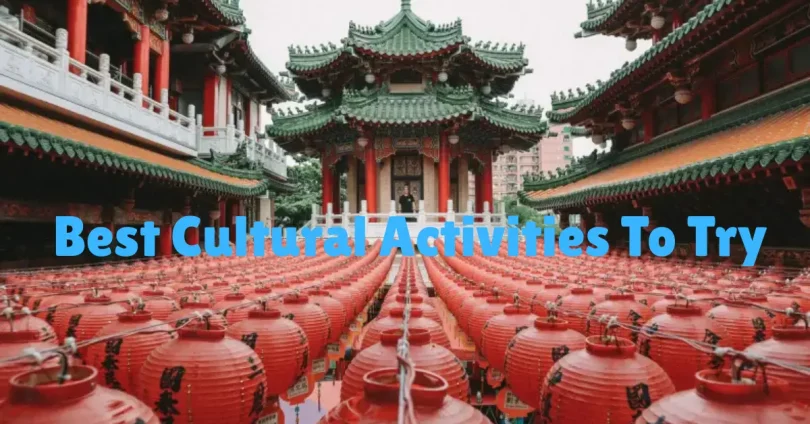

Culture is the invisible thread that connects people across generations. It is reflected in traditions, rituals, art, food, music, clothing, and the way communities interact with the world around them. Exploring cultural activities isn’t just about seeing something new—it’s about living those traditions, experiencing a way of life different from your own, and finding shared human connections through heritage.
Whether you are a traveler seeking authentic experiences, a student eager to understand different societies, or simply someone curious about the world, engaging in the best cultural activities to try can broaden your perspective, enrich your personal growth, and strengthen your appreciation for diversity.
Below, we’ll explore some meaningful cultural experiences that will take you on a journey into tradition, art, and heritage.
1. Attend Local Festivals and Celebrations

Festivals are cultural windows that showcase traditions in their most vibrant form. They often combine music, dance, rituals, food, and community spirit into one unforgettable experience.
Why try it?
Festivals bring you face-to-face with the heart of a culture. They let you see people at their happiest—celebrating identity, history, and faith together.
Examples:
- Diwali in India – The Festival of Lights, symbolizing the triumph of good over evil. Streets glow with lamps, fireworks fill the skies, and homes smell of delicious sweets.
- Carnival in Brazil – A grand parade of samba dancers, colorful floats, and high-energy music that turns the streets into one giant celebration.
- Oktoberfest in Germany – The world’s biggest beer festival, filled with Bavarian traditions, folk music, and hearty German food.
2. Explore Traditional Arts and Crafts
Traditional crafts are more than just handmade objects—they are living legacies. Each piece reflects centuries of history, local skills, and cultural pride.
Why try it?
By learning traditional crafts, you gain a sense of appreciation for artisans who keep these ancient techniques alive despite modern industrialization.
Ideas to try:
- Join a pottery class in Japan or Mexico, where clay becomes a storytelling medium.
- Discover handloom weaving in India, a craft tied to heritage and identity.
- Experience glassblowing in Murano, Italy, where masters shape molten glass into art.
You may also like to read this:
What Is Cultural Lifestyle? Meaning And Importance
How To Adapt Modern Culture: 10 Practical Steps
Types of Lifestyle Choices: Complete Guide For Better Living
Why Traditions Are Important: Preserving Culture & Bonds
3. Learn Traditional Dances and Music
Music and dance are universal cultural expressions. They break barriers, tell stories, and unite people across language and background.
Why try it?
Every culture’s dance has its rhythm and meaning—whether it’s a ritual, a celebration, or a social gathering.
Examples:
- Master the passionate moves of Flamenco in Spain.
- Feel the rhythm of Salsa in Cuba, blending African and Caribbean influences.
- Experience African drumming in Ghana, where beats carry ancestral memory.
4. Participate in Cultural Cooking Classes
Food is one of the most accessible gateways into culture. Every dish carries history, geography, and family traditions.
Why try it?
Cooking with locals allows you to experience the “soul” of a community through flavors, ingredients, and storytelling.
Ideas to try:
- Make sushi in Japan, learning precision and artistry.
- Bake bread in Morocco, where recipes are passed down for generations.
- Learn pasta-making in Italy, celebrating simple ingredients turned into timeless comfort food.
5. Visit Museums and Heritage Sites
Museums and heritage sites are guardians of history. They preserve everything from art and architecture to relics and folklore.
Why try it?
Visiting these places helps you understand the struggles, achievements, and values that shaped societies.
Examples:
- The Louvre in France – Housing masterpieces like the Mona Lisa.
- The Pyramids of Egypt – Marvels of engineering and symbols of ancient civilization.
- Machu Picchu in Peru – A breathtaking Inca city in the clouds.
6. Experience Cultural Performances
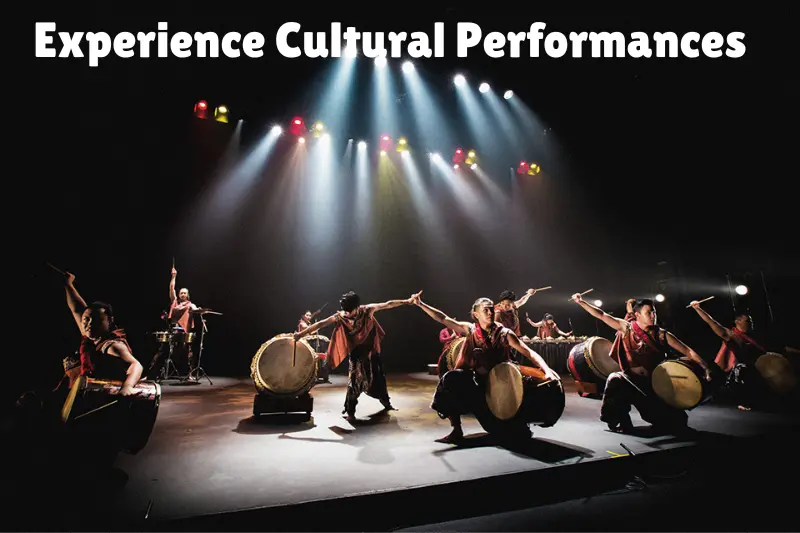
Storytelling through performance is an age-old way of preserving and sharing traditions. Plays, operas, folk dances, and puppet shows bring myths and values to life.
Why try it?
Performances give you a deeper emotional connection with a culture—through drama, humor, or music.
Ideas:
- Watch Kabuki theater in Japan, known for its dramatic costumes and storytelling.
- Attend a shadow puppet show in Indonesia, a blend of art and spirituality.
- Experience opera in Italy, where music transcends words.
7. Try Traditional Clothing and Fashion
Fashion is a cultural identity stitched into fabric. It tells you about history, climate, values, and aesthetics of a community.
Why try it?
Wearing traditional attire helps you participate authentically in cultural celebrations and rituals.
Examples:
- Kimono dressing in Japan, a garment full of symbolism.
- Saree draping in India, representing grace and heritage.
- Scottish kilts, linked to clans and tradition.
8. Join Cultural Ceremonies or Rituals
Many communities welcome outsiders to observe or even participate in rituals, giving you access to their spiritual side.
Why try it?
Rituals reveal the values and sacred beliefs of a society, often tied to nature, family, or faith.
Examples:
- Tea ceremonies in Japan, blending mindfulness and tradition.
- Native American powwows, celebrating community through dance and storytelling.
- Traditional weddings, full of symbolism and festivity.
9. Learn a Local Language or Calligraphy
Language is a cultural treasure. Even learning a few words can transform how you connect with locals.
Why try it?
It’s a sign of respect, and it opens doors to deeper communication and friendship.
Ideas:
- Practice Arabic calligraphy, where art meets language.
- Try Chinese brush writing, steeped in history.
- Sing folk songs in native languages to feel the rhythm of culture.
10. Volunteer in Cultural Preservation Projects
Giving back is one of the most rewarding ways to experience culture. By supporting preservation, you help communities keep their traditions alive.
Why try it?
It’s a hands-on experience that blends learning with meaningful contribution.
Examples:
- Work on heritage restoration projects in Europe.
- Assist with community art projects in Africa.
- Support indigenous language documentation and preservation.
How to Get Started with Cultural Activities
If you are inspired to dive into cultural activities, here are a few practical steps to begin your journey:
- Do Your Research – Before visiting a new place, read about its traditions, important festivals, and etiquette. Understanding the basics shows respect and helps you engage meaningfully.
- Start Local – You don’t need to travel across the world to explore culture. Attend community festivals, visit local museums, or join a traditional cooking workshop in your city.
- Be Open-Minded – Some customs may feel unusual or different from your own. Approach them with curiosity rather than judgment, and you’ll gain a richer experience.
- Learn from Locals – Locals are the best cultural teachers. Ask questions, observe carefully, and participate respectfully when invited.
- Document Your Experience – Keep a travel journal, take photographs, or record stories. This not only helps preserve memories but also deepens your appreciation for the cultural journey.
Why Cultural Activities Matter in Today’s World
In a fast-paced, globalized society, cultural experiences remind us of our roots and the diversity that makes humanity so rich. They help break stereotypes, strengthen mutual understanding, and build bridges between communities.
- For travelers, cultural activities transform trips into meaningful journeys.
- For students, they provide real-world knowledge beyond textbooks.
- For families, they become a way to bond and pass traditions to the next generation.
- For societies, they preserve heritage while adapting to modern life.
In essence, cultural engagement is not just a personal enrichment—it’s also a contribution to the preservation of human history.
Final Thoughts
The best cultural activities to try are those that invite you to step outside your comfort zone and immerse yourself in traditions that have been nurtured for centuries. From festivals that ignite the streets with joy to quiet rituals that invite reflection, each experience is a chance to understand life from a new perspective.
Whether you dance Flamenco in Spain, bake bread in Morocco, or join a tea ceremony in Japan, these activities are more than just pastimes—they are pathways to empathy, respect, and global connection.
By embracing cultural activities, you do more than witness history—you become part of it.
FAQs
1. What are cultural activities?
Cultural activities are practices, traditions, or experiences that connect people to their heritage, values, and community. Examples include festivals, music, dance, food traditions, and rituals.
2. Why are cultural activities important?
They preserve history, strengthen identity, promote social connection, and encourage respect for diversity. Cultural activities also help bridge gaps between generations and communities.
3. Can I try cultural activities without traveling abroad?
Yes. Many cultural experiences can be found locally, such as community festivals, workshops, art exhibits, and cooking classes. You don’t always need to travel far to engage with culture.
4. How do cultural activities benefit travelers?
They transform ordinary trips into meaningful journeys. Instead of just sightseeing, travelers gain a deeper understanding of traditions, history, and local life.
5. Are cultural activities suitable for children?
Absolutely. Activities like folk dance, storytelling, cooking, and art workshops are not only fun but also help children learn values and appreciate diversity.