In today’s fast-paced, interconnected world, social trends are powerful forces that shape how we think, behave, communicate, and live. They reflect the collective values, habits, and priorities of society at a given time. Understanding the types of social trends is essential because they go beyond temporary fads — they represent deeper shifts in culture, technology, lifestyle, and even politics, influencing how individuals, businesses, and governments interact with one another.
Whether it’s the popularity of social media platforms, the push for sustainability, or the rise of remote work, trends reflect what society cares about most. They influence everything from culture, politics, fashion, and technology to business strategies and lifestyle choices.
1. Cultural Trends

Cultural trends represent changes in how societies express traditions, beliefs, and shared lifestyles. They often manifest in art, fashion, food, language, music, and entertainment. As globalization and digital connectivity increase, cultures are blending faster than ever before.
- Examples of Cultural Trends:
- Globalization of cuisine — foods like sushi, bubble tea, and tacos are enjoyed worldwide.
- The rise of K-pop, anime, and Korean dramas dominating global entertainment.
- Cultural fusion in fashion, where traditional wear is mixed with modern styles.
- Increasing representation of diverse cultures in movies and media.
- Globalization of cuisine — foods like sushi, bubble tea, and tacos are enjoyed worldwide.
2. Technological Trends
Technology has become one of the most influential drivers of modern society. From how we communicate to how we work, technological trends continue to reshape human interaction at an unprecedented pace.
- Examples of Technological Trends:
- The growth of Artificial Intelligence (AI) and automation in daily life.
- Social media platforms like Instagram, TikTok, and X shaping communication and marketing.
- Virtual Reality (VR) and Augmented Reality (AR) being used in gaming, healthcare, and education.
- Smart homes, wearables, and the Internet of Things (IoT) making life more connected.
- The growth of Artificial Intelligence (AI) and automation in daily life.
3. Economic Trends
Economic trends reflect changes in how people earn, spend, and invest. They often tie closely to global markets, consumer habits, and innovations in finance.
- Examples of Economic Trends:
- Rise of the gig economy, freelancing, and side hustles.
- Widespread use of digital wallets and cryptocurrencies.
- Growing consumer preference for eco-friendly and sustainable products.
- Remote work reshaping real estate demand and urban development.
- Rise of the gig economy, freelancing, and side hustles.
You may also like to read this:
15 Top Lifestyle Blogs To Follow For Daily Inspiration
20 Best Daily Wellness Habits To Boost Health And Happiness
8 Top Meditation Practices To Reduce Stress And Anxiety
What Are Lifestyle Trends: Upgrade Your Life In 2025
How Trends Influence People: A Complete Guide To Daily Life
4. Political Trends
Politics deeply influences social life. Political trends highlight how societies respond to governance, justice, and civic participation. They often affect laws, human rights, and international relations.
- Examples of Political Trends:
- Climate change activism becoming a major political agenda.
- Youth-led political engagement fueled by social media campaigns.
- Increasing global focus on equality, inclusivity, and human rights.
- Shifts in global power dynamics and economic alliances.
- Climate change activism becoming a major political agenda.
5. Lifestyle Trends
Lifestyle trends reflect how individuals choose to live, work, and socialize. These trends are shaped by cultural values, generational preferences, and technological convenience.
- Examples of Lifestyle Trends:
- Minimalism and decluttering movements inspired by Marie Kondo.
- Growing focus on mindfulness, meditation, and wellness.
- Digital nomad lifestyles where people work while traveling.
- Plant-based diets, veganism, and healthy eating habits.
- Minimalism and decluttering movements inspired by Marie Kondo.
6. Environmental Trends
With climate change at the center of global discussions, environmental trends focus on eco-friendly living and sustainability. They emphasize reducing waste and preserving natural resources.
- Examples of Environmental Trends:
- Zero-waste lifestyles and plastic-free movements.
- Shift toward renewable energy sources such as solar and wind.
- Sustainable fashion practices like thrifting and recycling.
- Eco-friendly packaging replacing single-use plastics.
- Zero-waste lifestyles and plastic-free movements.
7. Health and Wellness Trends
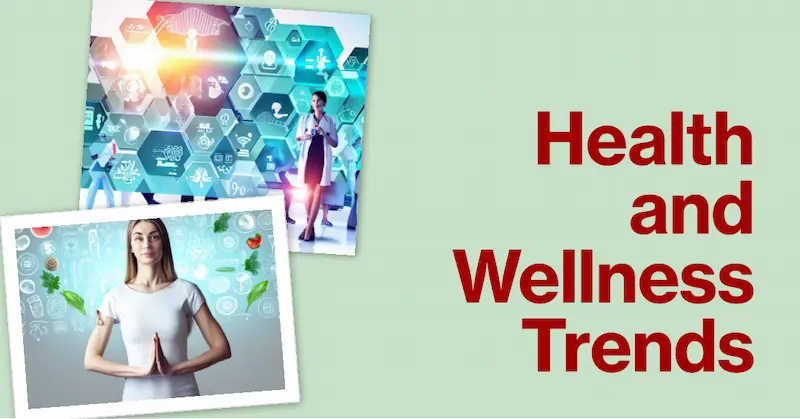
Health is no longer limited to physical fitness; it now includes mental and emotional well-being. These trends highlight how people are adopting healthier lifestyles.
- Examples of Health and Wellness Trends:
- The rise of fitness apps and wearable devices like smartwatches.
- Holistic practices such as yoga, meditation, and Ayurveda.
- Growing demand for organic and plant-based foods.
- Conversations around mental health and work-life balance.
- The rise of fitness apps and wearable devices like smartwatches.
8. Educational Trends
Education is undergoing massive transformation due to digital tools, globalization, and changing career demands.
- Examples of Educational Trends:
- Online learning platforms (Coursera, Udemy, Khan Academy).
- Micro-learning through short, digestible content.
- Increased focus on STEM (Science, Technology, Engineering, Mathematics).
- Inclusive education and lifelong learning opportunities.
- Online learning platforms (Coursera, Udemy, Khan Academy).
9. Fashion and Beauty Trends
Fashion and beauty trends reflect how society expresses individuality and identity. They shift rapidly and often tie closely with media and celebrity influence.
- Examples of Fashion and Beauty Trends:
- Streetwear and gender-neutral fashion gaining popularity.
- Clean beauty and cruelty-free cosmetic movements.
- Thrifting and vintage clothing culture.
- Social media-driven beauty standards and influencer culture.
- Streetwear and gender-neutral fashion gaining popularity.
10. Media and Entertainment Trends
Media and entertainment are central to cultural identity. With technology, consumption habits are evolving.
- Examples of Media and Entertainment Trends:
- Streaming platforms like Netflix, Spotify, and YouTube replacing traditional TV.
- Short-form content like TikTok videos and Instagram Reels dominating.
- Podcasts and audiobooks gaining mainstream popularity.
- eSports and interactive gaming attracting global audiences.
- Streaming platforms like Netflix, Spotify, and YouTube replacing traditional TV.
11. Workplace and Career Trends
Work and careers are evolving due to globalization, generational values, and technological advancements.
- Examples of Workplace and Career Trends:
- Hybrid and remote work becoming the norm.
- Increased emphasis on diversity, equity, and inclusion (DEI).
- Focus on upskilling and continuous learning in digital fields.
- Shift from traditional 9-to-5 jobs to flexible schedules.
- Hybrid and remote work becoming the norm.
12. Social Justice Trends
Social justice trends highlight movements aimed at fairness, equality, and inclusivity. These often begin at grassroots levels and grow into global movements.
- Examples of Social Justice Trends:
- Feminism and women empowerment.
- LGBTQ+ rights and acceptance in society.
- Racial justice movements such as Black Lives Matter.
- Advocacy for disability rights and accessibility.
- Feminism and women empowerment.
13. Generational Trends
Every generation brings unique behaviors, values, and priorities that shape society.
- Examples of Generational Trends:
- Millennials prioritizing sustainability and ethical shopping.
- Gen Z valuing authenticity, individuality, and digital-first lifestyles.
- Gen Alpha growing up with artificial intelligence and immersive technology.
- Millennials prioritizing sustainability and ethical shopping.
Conclusion
Social trends are much more than passing fads; they are reflections of the values, challenges, and aspirations of societies. From cultural and technological changes to environmental and lifestyle movements, these trends shape the way people live, interact, and plan for the future.
By understanding the types of social trends, individuals can align their personal choices with evolving norms, businesses can adapt strategies to meet consumer expectations, and governments can address emerging needs. In a world that’s constantly changing, staying informed about social trends is the key to thriving in the present and preparing for the future.
FAQs
Q1. What are social trends?
Social trends are patterns of behavior, values, and preferences that emerge within society over time. They reflect changes in culture, technology, lifestyle, politics, and the environment, influencing how people live and interact.
Q2. Why are social trends important?
Social trends are important because they help individuals, businesses, and governments understand societal shifts. By studying trends, people can adapt to changes, stay relevant, and make informed decisions in areas like marketing, policymaking, and personal lifestyle.
Q3. What are the main types of social trends?
The main types of social trends include:
Cultural trends
Technological trends
Economic trends
Political trends
Lifestyle trends
Environmental trends
Health and wellness trends
Educational trends
Fashion and beauty trends
Media and entertainment trends
Workplace and career trends
Social justice trends
Generational trends
Q4. How do social trends affect businesses?
Social trends affect businesses by shaping consumer behavior and market demand. For example, sustainability trends push companies to use eco-friendly packaging, while technological trends encourage businesses to adopt digital marketing and AI-driven solutions.
Q5. What is an example of a current social trend?
A current social trend is the rise of remote and hybrid work, driven by technology and changing workplace values. Another strong trend is the push for sustainable living, where people prefer eco-friendly and ethically sourced products.