In today’s busy world, it’s easy to get caught up in work, family responsibilities, and social commitments. Amid all this hustle, one thing often gets overlooked—you. That’s why understanding why self-care is important is essential. Think of it like caring for a plant: if you don’t water it, give it sunlight, or prune it, it won’t thrive. Similarly, your body, mind, and soul need attention to stay healthy and balanced.
So, why self-care is important isn’t just a question—it’s a reminder that taking time for yourself helps you recharge, reduce stress, and show up as your best self every day. Let’s explore it in an easy-to-understand, practical way so you can start incorporating self-care into your daily routine.
What Is Self-Care?

Self-care is more than just indulging in a spa day, a bubble bath, or your favorite dessert. It is the intentional practice of nurturing your physical, mental, emotional, and spiritual well-being. Think of it as refueling your energy tank so you can handle daily challenges with clarity, focus, and positivity.
Many people mistakenly assume that self-care is selfish. The truth is the opposite: when you prioritize your well-being, you become better equipped to help others, maintain healthy relationships, and achieve your goals. Caring for yourself is not a luxury—it’s a necessity.
Types of Self-Care
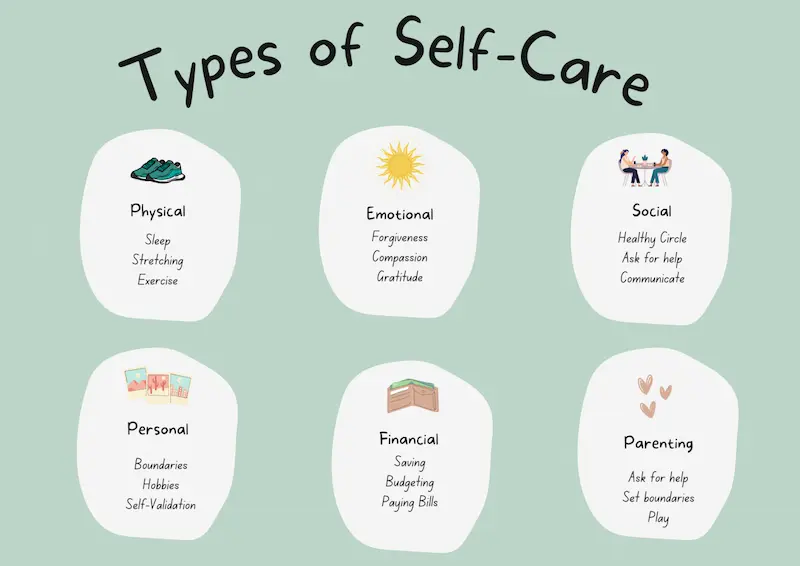
Self-care comes in many forms, and it’s important to explore different types to understand what works best for you. Here are the main categories:
1. Physical Self-Care
Physical self-care focuses on maintaining a healthy body, which is the foundation for overall well-being. Examples include:
- Getting enough sleep to recharge your body.
- Eating nutritious, balanced meals.
- Exercising regularly, even if it’s a short walk or stretching.
- Attending routine medical checkups and preventive screenings.
When your body feels good, your mind naturally performs better too.
2. Mental Self-Care
Mental self-care involves activities that stimulate your mind, relieve stress, and improve focus. Examples include:
- Reading books, articles, or learning a new skill.
- Solving puzzles or engaging in creative problem-solving.
- Taking breaks from screens and social media.
- Practicing mindfulness or meditation to calm a busy mind.
Giving yourself mental rest is just as important as physical rest.
3. Emotional Self-Care
Emotional self-care is all about understanding and nurturing your feelings. Life can be stressful, and bottling up emotions can lead to burnout. Ways to practice emotional self-care include:
- Journaling about your thoughts and emotions.
- Talking with friends, family, or a therapist.
- Allowing yourself to feel and acknowledge your emotions instead of suppressing them.
- Setting healthy boundaries to protect your emotional energy.
Acknowledging your feelings helps you process them in a healthy way and maintain emotional balance.
4. Spiritual Self-Care
Spiritual self-care doesn’t have to be religious—it’s about finding meaning, inner peace, and connection. Some practices include:
- Meditation or mindfulness exercises.
- Spending time in nature.
- Reflecting on personal values or life purpose.
- Practicing gratitude daily.
Spiritual self-care nurtures your soul and helps you stay grounded in life’s chaos.
You may also like to read this:
10 Best Inspiring Books To Read For Motivation & Growth
Top Motivational Stories Online To Inspire Your Journey
What Is Mind Wellness And Why It Matters For A Healthy Mind
How To Improve Mental Health: Simple Daily Wellness Tips
12 Types of Relaxation Techniques For Calm Mind And Body
Why Self-Care Is Important
Understanding why self-care is important can motivate you to make it a consistent habit. Here are some key benefits:
1. Improves Mental Health
Regular self-care reduces stress, anxiety, and depression. Taking time for yourself helps refresh your mind, improves focus, and enhances problem-solving skills. When your mental health is prioritized, you feel calmer, happier, and more resilient.
2. Boosts Physical Health
Caring for your body through exercise, proper nutrition, and rest strengthens your immune system, increases energy, and improves overall longevity. Physical wellness supports every other aspect of your life.
3. Enhances Productivity
When you are well-rested and mentally balanced, you can perform tasks more efficiently. Self-care prevents burnout, increases motivation, and helps you make better decisions in both personal and professional life.
4. Strengthens Relationships
It may seem counterintuitive, but prioritizing yourself can improve your relationships. By practicing self-care, you prevent emotional exhaustion and resentment, allowing you to be more present, patient, and supportive for others.
5. Promotes Self-Love and Confidence
Consistently caring for yourself sends a powerful message: You matter. Over time, this builds self-esteem, self-respect, and resilience—qualities that positively impact every area of life.
Examples of Practicing Self-Care Daily
Incorporating self-care into your life doesn’t have to be complicated or time-consuming. Here are some practical ideas:
- Take a short walk outside to clear your mind.
- Schedule a weekly “no work” evening to relax and recharge.
- Practice meditation or deep-breathing exercises daily.
- Spend time on hobbies you love, like painting, cooking, or playing music.
- Connect with loved ones who uplift and inspire you.
- Treat yourself kindly—avoid negative self-talk.
- Set boundaries to protect your time and energy.
Even small, consistent steps can make a huge difference over time.
Overcoming Common Myths About Self-Care
Even though self-care is crucial, many people hesitate to practice it because of common misconceptions. Let’s debunk some of these myths:
Myth 1: Self-Care Is Selfish
Truth: Self-care is not about putting yourself above others; it’s about refilling your cup so you can be fully present and effective in all areas of life. Neglecting your well-being leads to burnout, which affects everyone around you.
Myth 2: Self-Care Is Expensive
Truth: Self-care doesn’t require spending money on luxury items or vacations. Simple practices like going for a walk, journaling, meditating, or taking a quiet bath can have a huge impact without costing a dime.
Myth 3: Self-Care Takes Too Much Time
Truth: Self-care can be incorporated into even the busiest schedule. Just 5–10 minutes a day of mindful breathing, stretching, or gratitude journaling can significantly improve your mood and energy levels.
Making Self-Care a Daily Habit
Consistency is key to seeing the benefits of self-care. Here are strategies to make it part of your daily routine:
- Start Small – Choose one simple activity each day, like drinking water, stretching, or reading for 10 minutes. Small steps add up over time.
- Create a Schedule – Treat self-care like any important appointment. Schedule it into your day and honor it.
- Listen to Your Body and Mind – Pay attention to signs of fatigue, stress, or overwhelm. Your body often signals when it needs care.
- Mix It Up – Rotate between physical, mental, emotional, and spiritual self-care activities to maintain balance.
- Reflect Regularly – Check in with yourself weekly or monthly to evaluate how your self-care practices are helping and adjust as needed.
The Ripple Effect of Self-Care
Prioritizing yourself doesn’t just benefit you—it creates a ripple effect in your life:
- Better Work Performance: When your mind is clear and your energy is high, you make smarter decisions and handle tasks efficiently.
- Stronger Relationships: Being emotionally balanced allows you to listen, empathize, and connect with others more authentically.
- Greater Resilience: Regular self-care helps you recover faster from challenges, setbacks, or stressful situations.
- Increased Happiness: Small daily practices can elevate mood, reduce anxiety, and foster a more positive outlook on life.
Self-Care Beyond the Basics
Once you’ve mastered the foundational aspects of self-care, consider these advanced practices:
- Digital Detox: Reduce screen time and social media usage to reclaim your mental space.
- Mindful Eating: Pay attention to what and how you eat, savoring every bite to nourish your body and mind.
- Learning and Growth: Take up new hobbies, courses, or challenges that stimulate your mind and build confidence.
- Volunteering or Acts of Kindness: Helping others can boost your sense of purpose and fulfillment.
- Gratitude Practices: Keeping a gratitude journal helps shift focus to positive aspects of life, enhancing emotional well-being.
Final Thoughts
The question, “why self-care is important,” is answered not just by words, but by the changes it brings to your life. Self-care is about building a strong, healthy, and resilient foundation that supports your mind, body, and soul.
Remember, self-care is not optional—it’s essential. It helps you thrive rather than merely survive, improves your relationships, strengthens your confidence, and enhances your overall quality of life.
Start today, even with small steps, and make self-care a non-negotiable part of your routine. Your future self will thank you for the care, love, and attention you invest now.
FAQs
1. What is self-care?
Self-care is the intentional practice of taking care of your physical, mental, emotional, and spiritual well-being. It includes activities that help you recharge, reduce stress, and stay balanced in daily life.
2. Why is self-care important?
Self-care is important because it improves mental health, physical health, productivity, and relationships. It also promotes self-love, confidence, and overall resilience in facing life’s challenges.
3. Is self-care selfish?
No! Self-care is not selfish. When you prioritize your well-being, you’re better equipped to support others and handle responsibilities effectively. Think of it as refueling your energy tank.
4. How can I practice self-care daily?
Self-care can be as simple as:
Taking a short walk
Journaling or meditating
Spending time on hobbies
Setting healthy boundaries
Practicing gratitude
Even 5–10 minutes a day can make a big difference.
5. What are some types of self-care?
Self-care can be categorized into:
Physical – Sleep, nutrition, exercise
Mental – Learning, problem-solving, mindfulness
Emotional – Processing feelings, therapy, talking to loved ones
Spiritual – Meditation, nature, reflecting on life purpose